SaaS product development
We build SaaS products with organisations, roles, subscriptions, billing, dashboards, analytics and admin panels — with a first version ready for real customers.




- 7+projects in production
- 100%code and access yours
What’s included
The parts the work is made of — and where to read more about related formats.

01
Organisations and roles
Multi-tenancy, invitations and permissions inside a customer's team. We spell this out so the result is usable for an estimate, build or handover without guesswork.
- 01Multi-tenancy
- 02Invitations
- 03Roles
- 04Data isolation
Who it’s for
- 01
Founders launching a SaaS from scratch
- 02
Companies turning an internal tool into a customer-facing product
- 03
SaaS products that need a new version or a rebuilt core
TIVONIX projects on this topic
Real products from the project catalogue, with what was actually built in them.
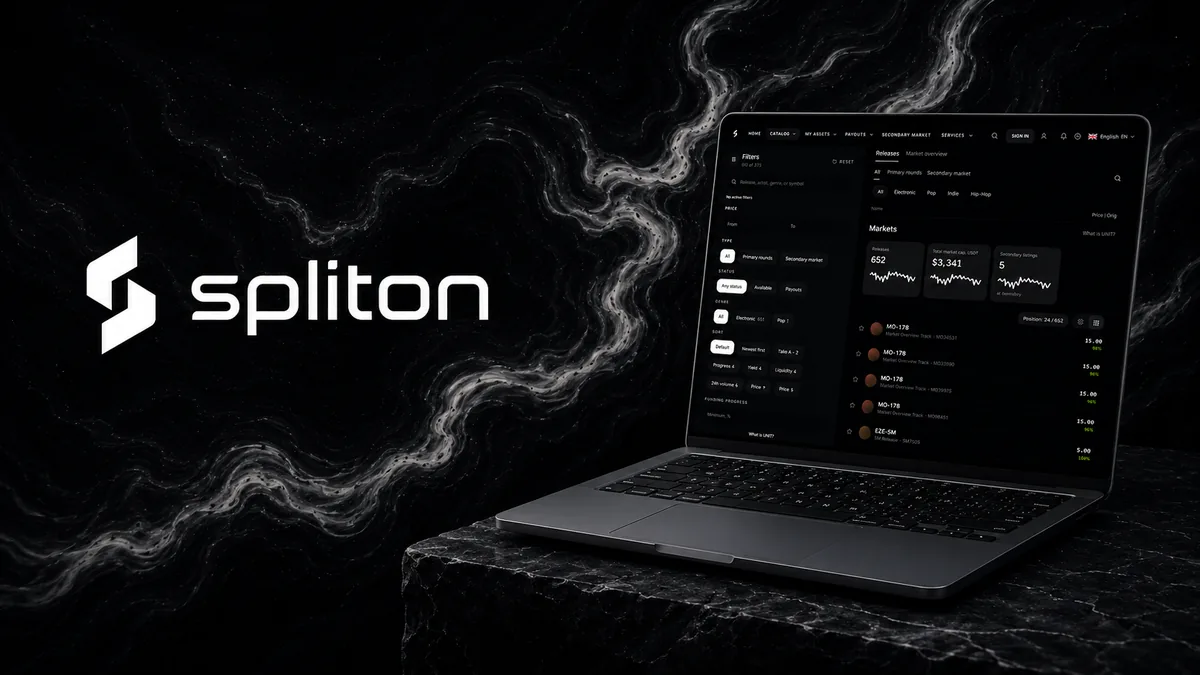 FinTech · MusicSplitonFintech platform for music shares: catalogue, primary and secondary market, USDT wallet, ledger, compliance and an operator portal.Architecture, UI/UX, engineering and supportView project
 Marketplace · Telegram Mini AppSlottyBooking marketplace for service providers: filtered catalogue with a map, Telegram Mini App, provider portal with Free/Pro plans, platform admin and bePaid payments.Turnkey design and developmentView project
Tell us the task — we’ll outline scope, timeline and cost
The brief takes a few minutes. We reply with the next step, risks, timeline and a cost range.
How the work goes
Stage 1
Brief and scope
What we’re building and what goes into the first version.
- Goals and users
- Roles and key scenarios
- Integrations and constraints
- Written scope, timeline and cost
Stage 2
Design
Screens, data and APIs are connected before coding.
- UX of key scenarios
- Data model and API
- Architecture and infrastructure
- Stage plan
Stage 3
Built in working parts
We show working parts of the system, not pictures.
- Interface and server side
- Admin panel and integrations
- Demos stage by stage
- Checks of release-critical scenarios
Stage 4
Launch and handover
Deployed, and handed over with everything needed to run it.
- Deployment to your domain and servers
- Code, access and environments
- Instructions
- Support and growth — agreed separately
Why TIVONIX
- 01
One owner of the result
The work is led by the TIVONIX founder: responsibility isn’t spread across contractors and decisions are made quickly.
- 02
Architecture before active development
Screens, roles, data, states and APIs are connected before coding starts — fewer rewrites along the way.
- 03
Code and access stay with you
Source code, access, environment settings and instructions are handed to the client. The project isn’t locked to us.
- 04
Built in working parts
We show working parts of the system, not pictures: interface, server side, admin panel and integrations.
More in Development
- Web DevelopmentProduction-ready web apps and platforms with modern frontend and backend architecture.
- MVP DevelopmentThe first working version with real users, data and the key business workflow.
- Backend & APIBackend, REST APIs, business logic, queues, background jobs and integration layers.
- Landing Page DevelopmentFast, responsive landing pages for launches, sales and demand validation.
- Client PortalsPortals for clients, partners, employees and other product participants.
- MarketplacesMulti-sided platforms with catalogs, orders, bookings, deals, dashboards and moderation.
- CRM & ERP SystemsInternal systems built around real company processes instead of spreadsheets and scattered tools.
- Admin Panels & Operations PlatformsAdmin panels and operations systems for managing users, data and business processes.
- Telegram Bots & Mini AppsTelegram bots and Mini Apps with backend, payments, dashboards, automation and integrations.
FAQ
Can a SaaS launch as an MVP?
Yes. The first version can have one plan and a basic admin panel; billing and analytics grow after launch.
Which payment providers can be connected?
It depends on the country and sales model. TIVONIX projects use bePaid, for example; the provider is chosen for the task.
What stack do you build on?
Usually React and TypeScript on the front end, Node.js/NestJS and PostgreSQL on the back end, Docker for deployment. We pick the stack for the task and agree it before work starts.
How is the cost formed?
It depends on scope: how many roles, screens and scenarios, which integrations and launch requirements, and what already exists. Scope and price are fixed in writing after reviewing the task — before work starts.
How long does it take?
It depends on scope and on what already exists. We name the timeline after reviewing the task and split the work into stages with intermediate results, so you see progress instead of waiting for the end.
What do you need to get started?
A short description of the product and users, the task, and whatever exists already: designs, code, documents, access. That’s enough for a brief — we reply with the next step, risks, timeline and a cost range.
Which industries do you work with?
SaaS, fintech, e-commerce and internal systems. Launched projects include a booking marketplace, an AI commerce platform, a music fintech platform and a partner dashboard.
Who keeps the code and access?
You do. Source code, access and clear documentation are handed over to the client.