Product development and support after launch
We keep developing the product after launch — new features, integrations, optimisation and technical support — with the same transparency rules.


- 7+projects in production
- 100%code and access yours
What’s included
The parts the work is made of — and where to read more about related formats.

01
New features
Product growth by an agreed plan and priorities. We spell this out so the result is usable for an estimate, build or handover without guesswork.
- 01Backlog
- 02Priorities
- 03Regular releases
- 04Demos
Who it’s for
- 01
Products that have launched and need to keep growing
- 02
Companies without an in-house development team
- 03
Projects that need an ongoing technical partner
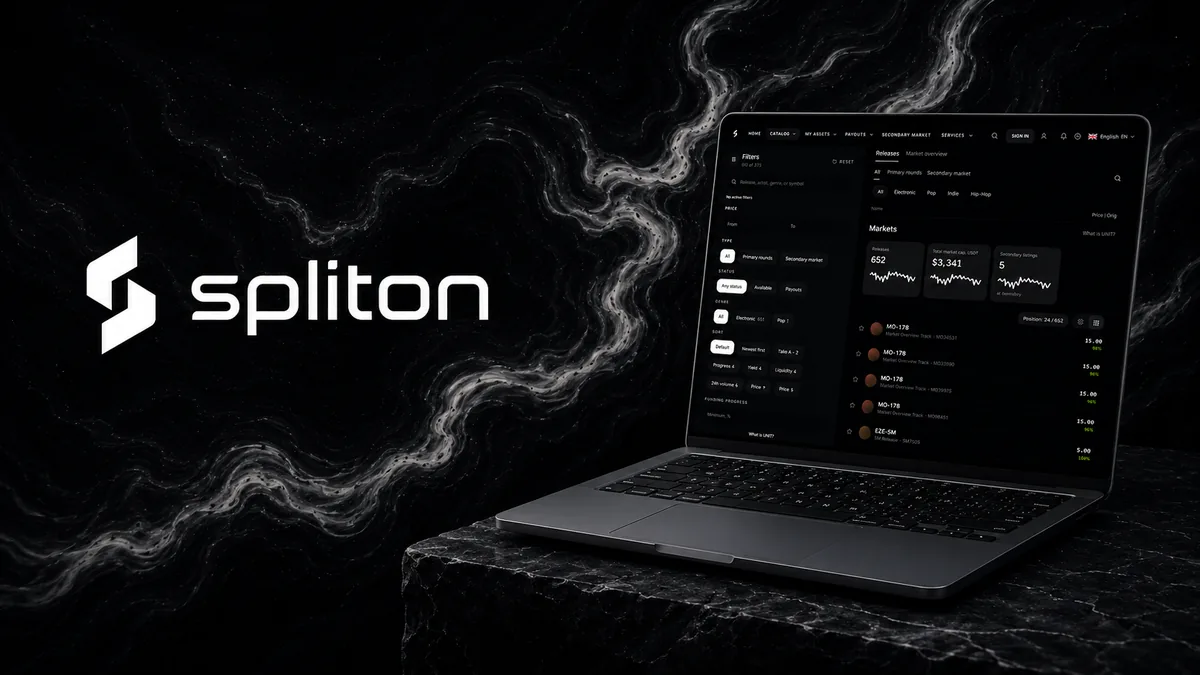
TIVONIX projects on this topic
Real products from the project catalogue, with what was actually built in them.
Tell us the task — we’ll outline scope, timeline and cost
The brief takes a few minutes. We reply with the next step, risks, timeline and a cost range.
How the work goes
Stage 1
Diagnosis
We get access and find out how the system really works.
- Access to code and infrastructure
- Architecture review
- Measurements and bottlenecks
- Risks
Stage 2
Prioritised plan
What’s urgent and what can wait.
- Urgent vs. deferred
- Stages without stopping the product
- Estimate for each stage
- Definition of done
Stage 3
Work in stages
The system is changed in parts and checked after each step.
- Fixes and improvements
- Checks after each stage
- Documentation updates
- Regular reports
Stage 4
Handover and growth
The result is recorded and next steps agreed.
- Code and access stay with you
- Change documentation
- Recommendations for the future
- Support — agreed separately
Why TIVONIX
- 01
One owner of the result
The work is led by the TIVONIX founder: responsibility isn’t spread across contractors and decisions are made quickly.
- 02
Diagnosis first, changes second
We work from a written, prioritised plan so nothing that already works gets broken.
- 03
Code and access stay with you
Source code, access, environment settings and instructions are handed to the client. The project isn’t locked to us.
- 04
Built in working parts
We show working parts of the system, not pictures: interface, server side, admin panel and integrations.
More in Improve & Scale
- Product RescueWe take over a struggling product, find the critical causes of failures and bring it to a stable production state.
- Legacy ModernisationWe gradually upgrade outdated products without a risky full rewrite.
- Performance OptimisationWe remove frontend, backend, database and infrastructure bottlenecks.
- Security HardeningWe review authentication, permissions, secrets, APIs and critical product workflows.
- Product ScalingWe prepare architecture and processes for growth in users, load and functionality.
FAQ
Can you take over a product you didn’t build?
Yes. We start with a technical review to understand the code, then agree on the working format.
How is ongoing development paid for?
The format is agreed separately: by stage or by monthly scope. Support and growth terms are discussed upfront.
Do you take on products built by another team?
Yes. We start with a code and infrastructure audit to understand the real state, and only then propose a plan.
How is the cost formed?
It depends on scope: how many roles, screens and scenarios, which integrations and launch requirements, and what already exists. Scope and price are fixed in writing after reviewing the task — before work starts.
How long does it take?
It depends on scope and on what already exists. We name the timeline after reviewing the task and split the work into stages with intermediate results, so you see progress instead of waiting for the end.
What do you need to get started?
A short description of the product and users, the task, and whatever exists already: designs, code, documents, access. That’s enough for a brief — we reply with the next step, risks, timeline and a cost range.
Which industries do you work with?
SaaS, fintech, e-commerce and internal systems. Launched projects include a booking marketplace, an AI commerce platform, a music fintech platform and a partner dashboard.
Who keeps the code and access?
You do. Source code, access and clear documentation are handed over to the client.